


External inclusion awards have done a lot of good. They have raised the profile of inclusive practice, given schools something meaningful to work towards and created a culture where inclusion is taken seriously. But for Multi-Academy Trusts with many schools and many priorities, the cost of running external awards across every school can become prohibitive — and the new Ofsted framework has made inclusion more important than ever.
There is now a practical alternative: a trust-owned Inclusion Quality Mark.
The cost challenge for trusts
External inclusion awards typically cost upwards of £1,000 per school per cycle. For a single school, that is manageable. For a trust with ten, fifteen or twenty schools — potentially across multiple quality mark areas — the costs add up quickly.
This is not a criticism of the awards themselves. Many are well designed and well regarded. But trusts have to make strategic decisions about where their budgets go, and spending tens of thousands of pounds on external accreditation may not be the best use of funding when the same trust has experienced inclusion leads, SENCOs and practitioners who could be leading the process internally.
What is an Inclusion Quality Mark?
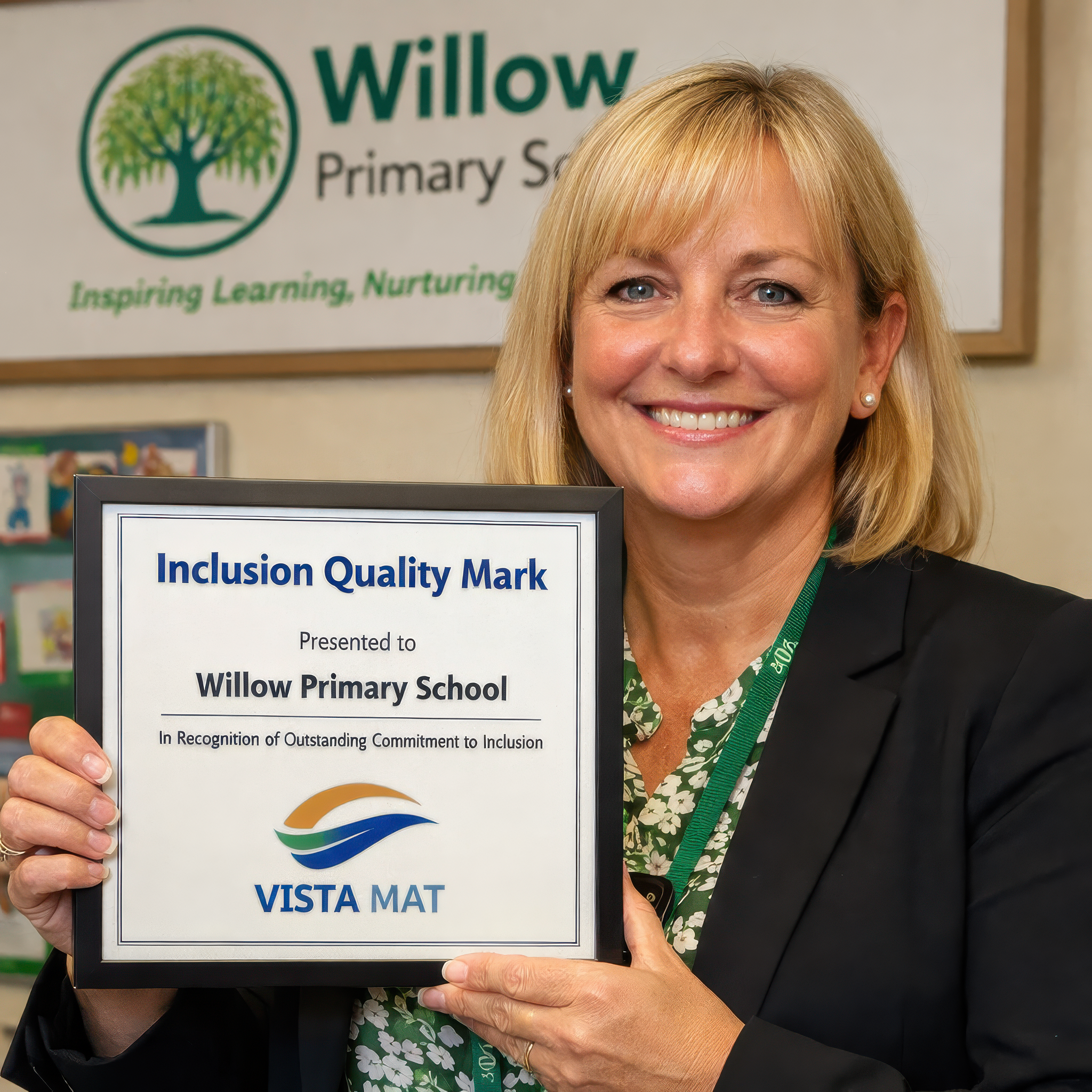
An Inclusion Quality Mark is a trust-owned accreditation framework for inclusive practice. The trust defines its own inclusion standard — the areas to evaluate, the criteria, the levels and the evidence expected — and uses a structured process to evaluate, validate and recognise inclusive practice across every school.
For most trusts, the framework covers areas like:
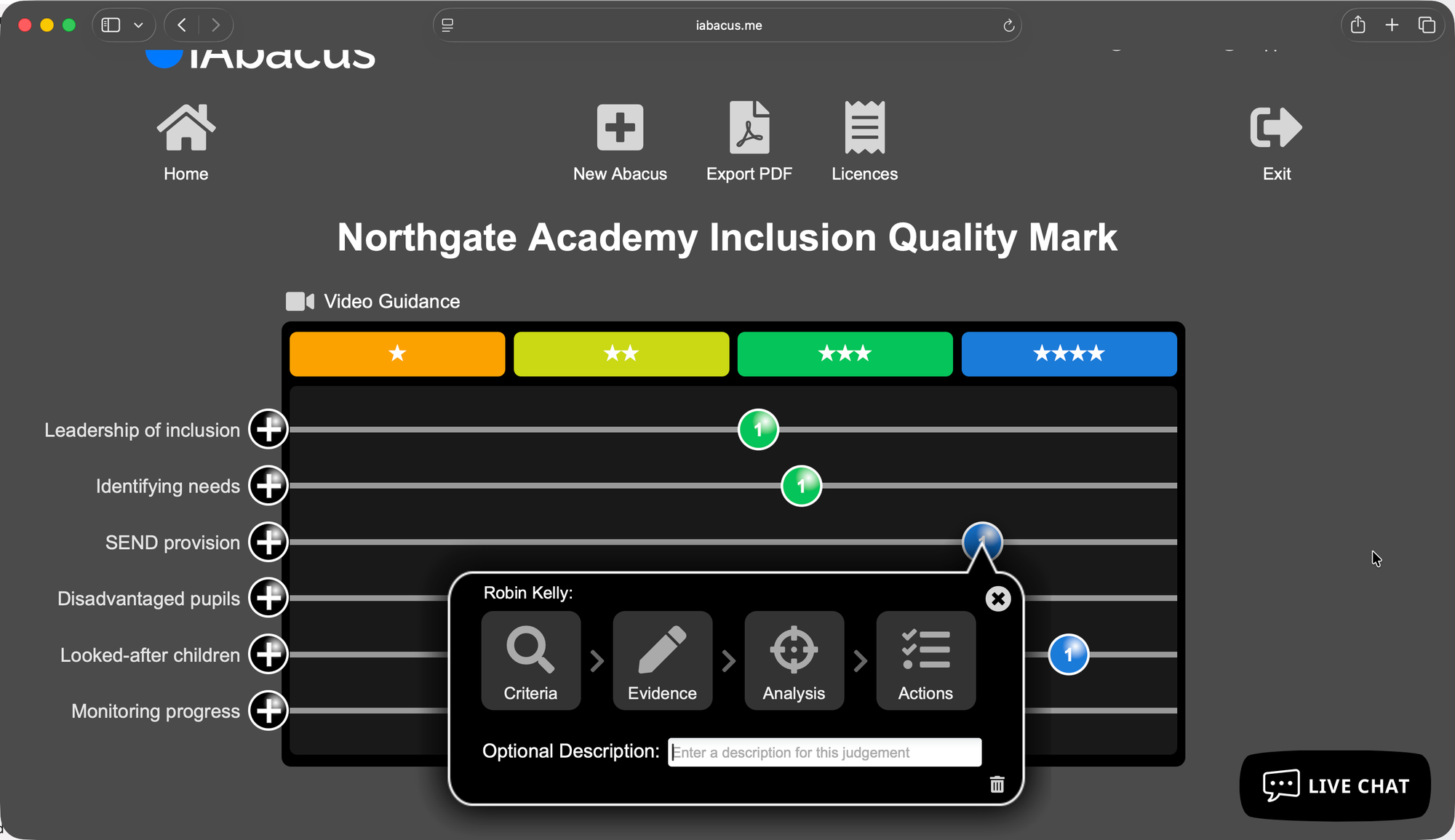
- Leadership of inclusion — how well senior leaders set the vision and hold schools accountable
- Identifying needs — how early and accurately schools identify pupils who need support
- SEND provision — the quality of support from classroom practice to specialist intervention
- Disadvantaged pupils — how well pupil premium and other funding closes gaps
- Looked-after children — the quality of support, stability and ambition for children in care
- Monitoring progress — how schools track, analyse and act on progress data for vulnerable groups
These are not arbitrary choices. They align closely with what Ofsted now inspects under its standalone inclusion judgment — more on that below.
Why trusts are choosing to build their own
Cost is the starting point, but it is not the only reason trusts are creating their own Inclusion Quality Marks. Once leaders explore the idea, they quickly see wider benefits:
Consistency. A trust-owned framework gives every school the same structure for evaluating inclusion. Instead of individual schools holding different awards to different standards, there is one shared approach across the trust.
Context. The framework reflects the trust's own demographics, priorities and definition of strong inclusive practice. It can be tailored to the specific needs of the trust's communities in a way that a generic external framework cannot.
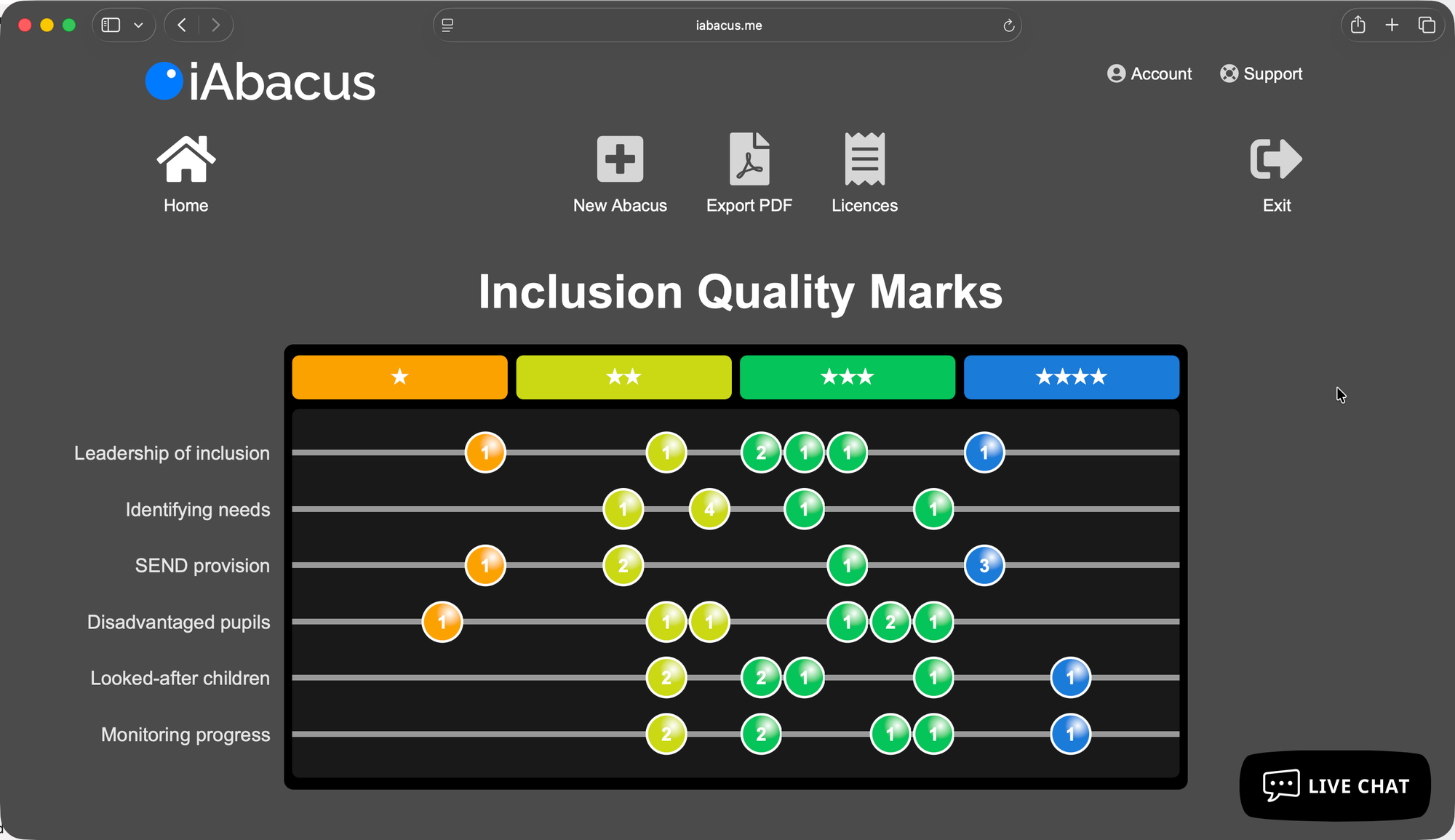
Trust-wide visibility. Leaders can compare inclusion across schools, see where strong practice sits, identify where support is needed and track improvement over time. External awards, by design, assess schools individually and don't provide this kind of trust-level picture.
Internal expertise. Trusts already have experienced SENCOs, inclusion leads and practitioners across their schools. A trust-owned quality mark puts accreditation in the hands of people who know the schools, the pupils and the context — and it builds their professional capacity in the process.
Ownership. The framework belongs to the trust. There are no annual renewal fees to an external body, no risk of losing accreditation the trust doesn't own, and the flexibility to adapt the framework as priorities evolve.
Inclusion is now a standalone Ofsted judgment
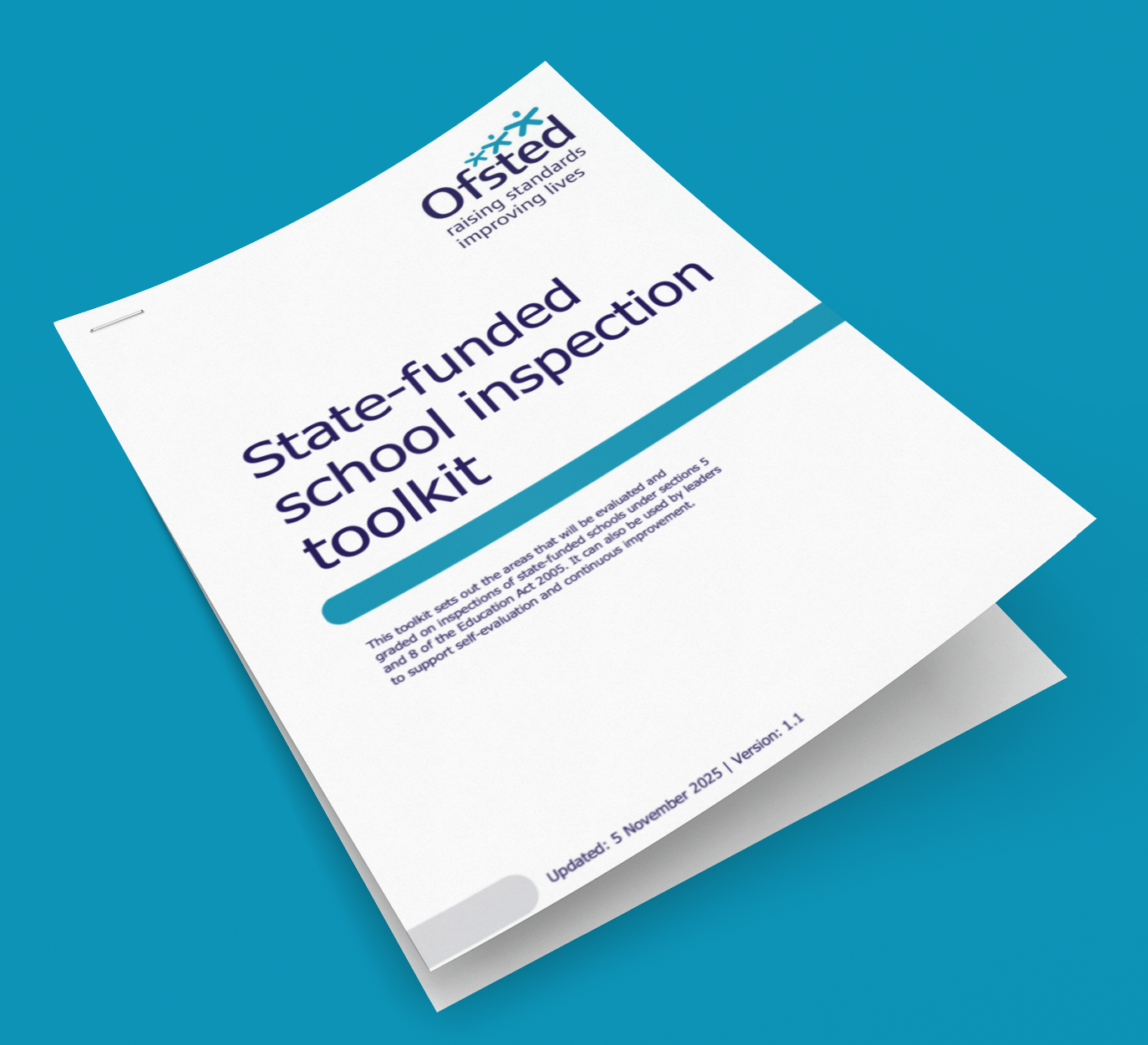
The timing is significant. From the November 2025 inspection toolkit, Ofsted evaluates inclusion as a standalone graded judgment. Inspectors look at how well schools identify needs, support SEND pupils, use pupil premium effectively and support looked-after children. Schools are graded across three levels: needs attention, expected standard and strong standard.
An Inclusion Quality Mark doesn't guarantee an Ofsted grade. But it does mean that every school in the trust is already evaluating inclusion with the same rigour and against the same kinds of criteria that inspectors look for. Schools have structured evidence, live evaluations and a clear improvement process in place before the inspector arrives.
For inclusion leads, this is a powerful position to be in.
How it works in practice
The process is straightforward and built around professional dialogue:
- Define the standard. We work with the trust's inclusion leads to shape the quality mark framework — the areas, levels, criteria and evidence expectations.
- Schools self-evaluate. Each school evaluates its inclusive practice against the framework using iAbacus, recording evidence, reflecting on strengths and barriers, and creating improvement actions.
- Validation. A trust-appointed validator reviews the evaluation, explores the evidence and holds a professional conversation with the school's inclusion lead or SENCO.
- Recognition. If the standard is met, the school receives the trust's Inclusion Quality Mark. The evaluation continues as part of an ongoing improvement cycle.
This keeps the process developmental. It is designed to help schools improve, not just collect a certificate.
What iAbacus provides
iAbacus is the evaluation and improvement platform that holds the process together. Schools complete structured evaluations, attach evidence, analyse strengths and barriers, create actions and keep a live record of progress. Trust leaders can review individual schools, compare across the trust and validate quality marks — all from one place.
Beyond the platform, we provide a complete solution:
- Framework design with your inclusion leads, so the quality mark reflects your priorities and context
- The iAbacus platform for structured evaluations, evidence, actions, progress tracking and trust-wide comparison
- Training and workshops for SENCOs, inclusion leads and validators
- Custom logos and badges professionally designed so the quality mark has its own identity
Who should be thinking about this?
If you are a Director of Inclusion, trust SEND lead, or inclusion strategist responsible for inclusive practice across multiple schools — this is designed for you. It gives you the framework, the system and the process to lead inclusion consistently across every school, on your terms.
Trust executive leaders who want inclusion evaluated with the same rigour as curriculum or outcomes will find this gives them the trust-wide view they need. And SENCOs and school leaders who want a clear, credible process for evaluating inclusive practice will have a structured way to do it well.
Ten reasons at a glance
- It costs a fraction of external awards
- Your criteria, your context
- Inclusion is now graded by Ofsted
- Your own experts lead the accreditation
- One standard across every school
- It drives improvement, not just recognition
- You see the whole trust picture
- It builds capacity in your SENCOs and inclusion leads
- It's yours to keep and grow
- It sends a message — to schools, parents and Ofsted
Next steps
If you want to explore what an Inclusion Quality Mark could look like in your trust, book a free meeting. We will talk through your inclusion priorities, discuss how the framework would work across your schools, and show you how iAbacus supports the process.
No obligation. No hard sell. Just a practical conversation.


