


I’ve just finished delivering a live iAbacus training session for a group of subject leaders — and we recorded it.
You can watch the full video here: https://www.youtube.com/watch?v=TAoXiZGDFCk
This session was deliberately practical: less theory, more “here’s how to do a subject review in a way that’s credible, useful, and doesn’t eat your evenings”.
Why we ran this session (and why subject leaders often get stuck)
Most subject leaders can articulate what’s going well and what needs attention. The friction usually comes later:
- turning professional insight into a clear judgement against a shared standard
- linking it to evidence without building a new filing system
- diagnosing why the judgement sits where it does
- agreeing actions that are focused enough to actually land
In the training, we used an Ofsted Toolkit-aligned structure, but we treated it as a working improvement tool for subject leadership — not a compliance exercise.
What the recording covers...
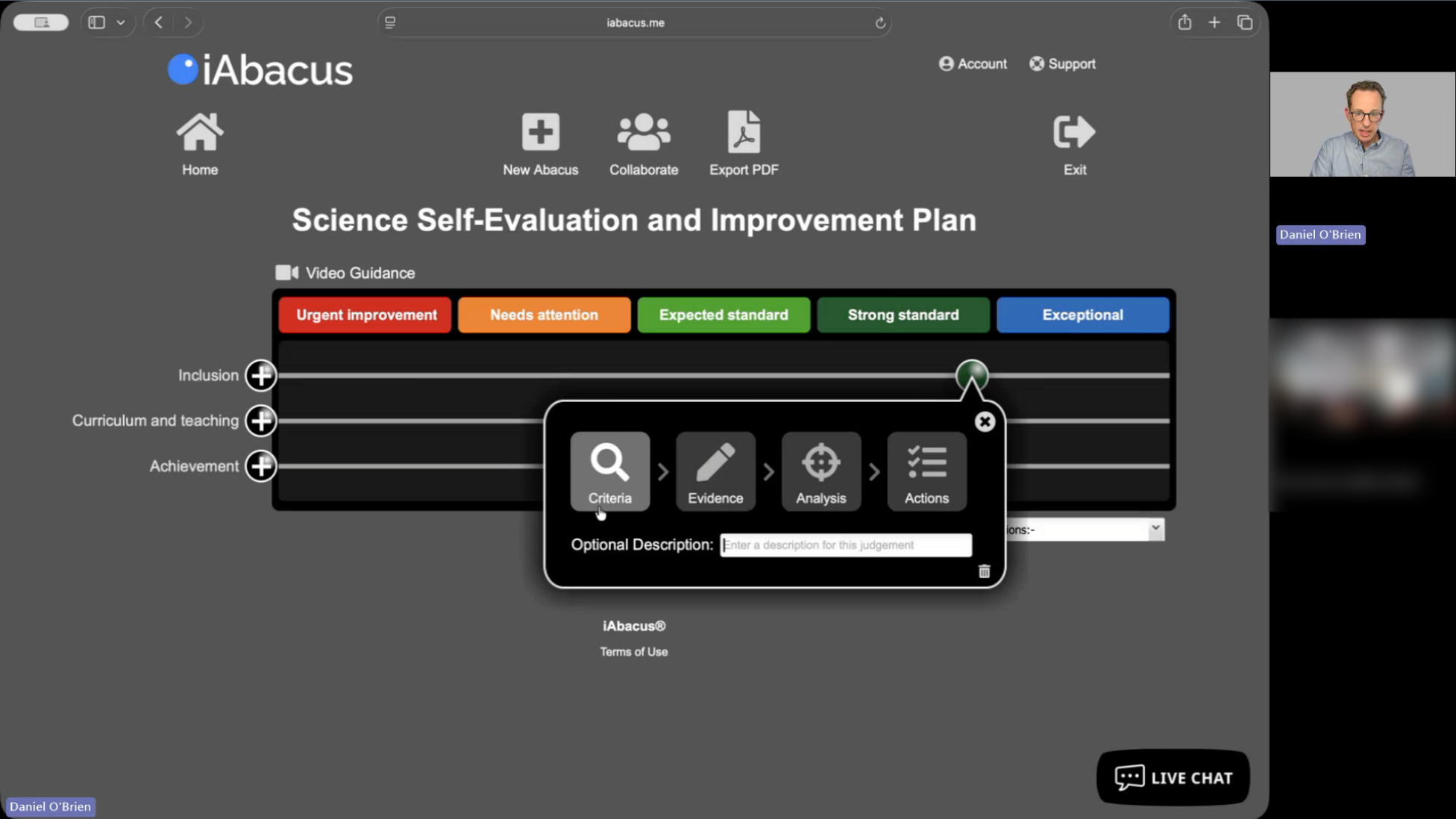
1) Start with a subject leader template (Ofsted Toolkit-aligned)
We begin in iAbacus with a subject leader framework aligned to the Ofsted Toolkit’s way of describing standards, then apply it through a subject lens so it becomes usable for day-to-day leadership.
2) Make a judgement — then verify it properly
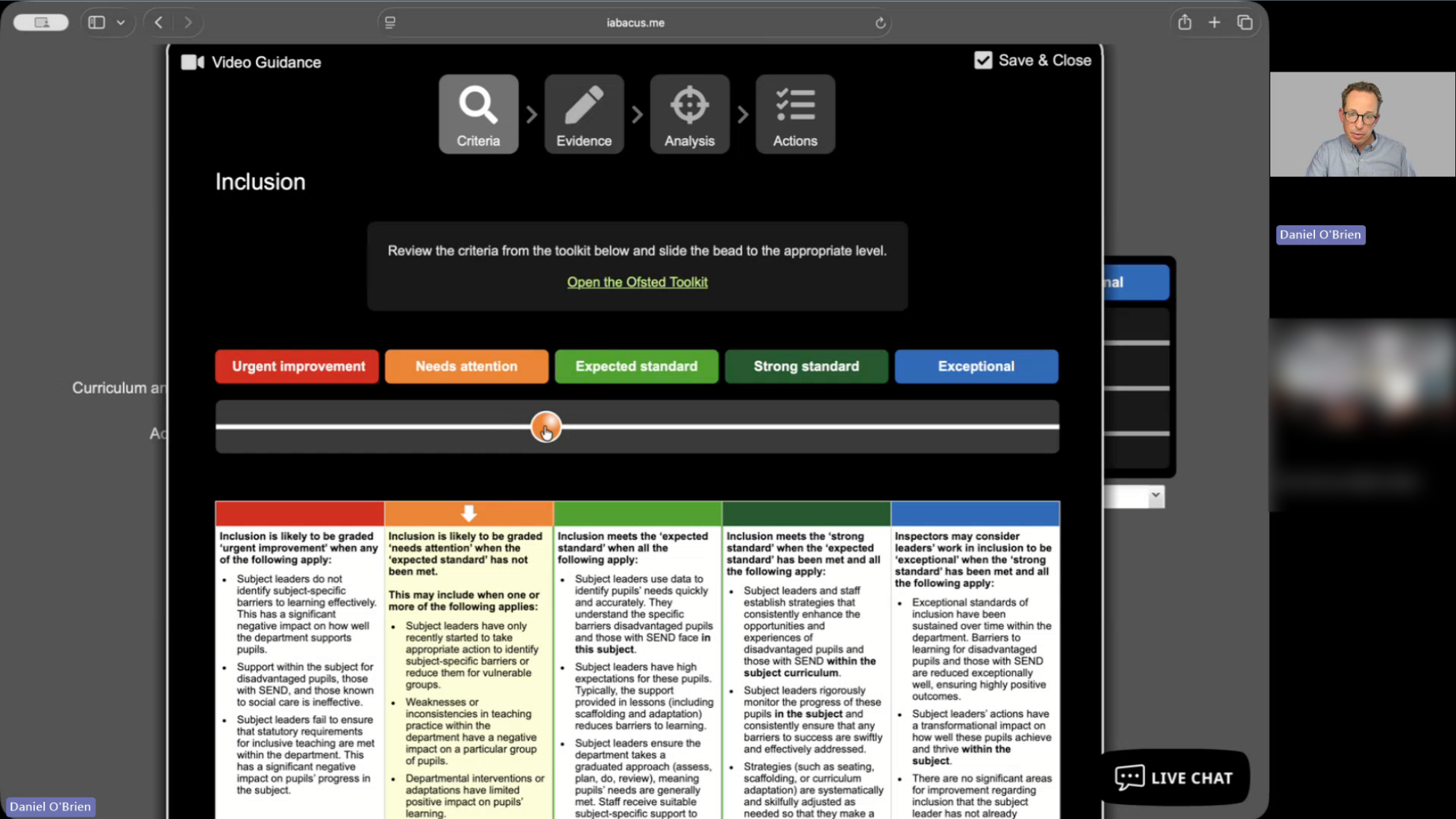
Subject leaders slide the bead to reflect their judgement, then check it against the criteria. It’s a simple move, but it forces consistency and makes conversations easier across departments.
3) Evidence without the admin
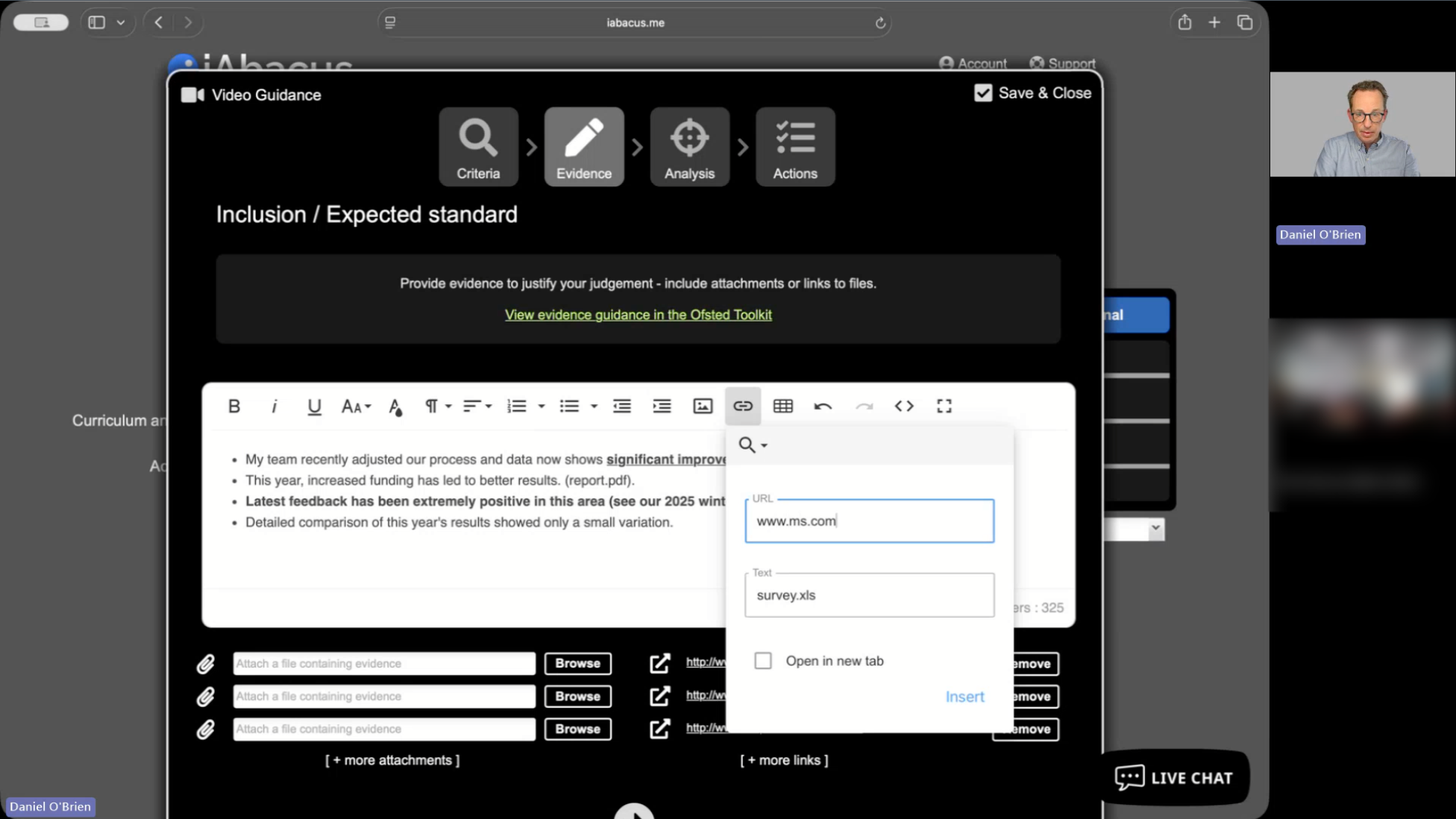
The evidence section is where we keep things clean: concise, evaluative bullet points that signpost what proves the judgement.
A key tip from the session: link to evidence where it already lives (Drive/SharePoint/Dropbox etc.) rather than moving files around or duplicating documents.
4) The heart of it: helping and hindering factors
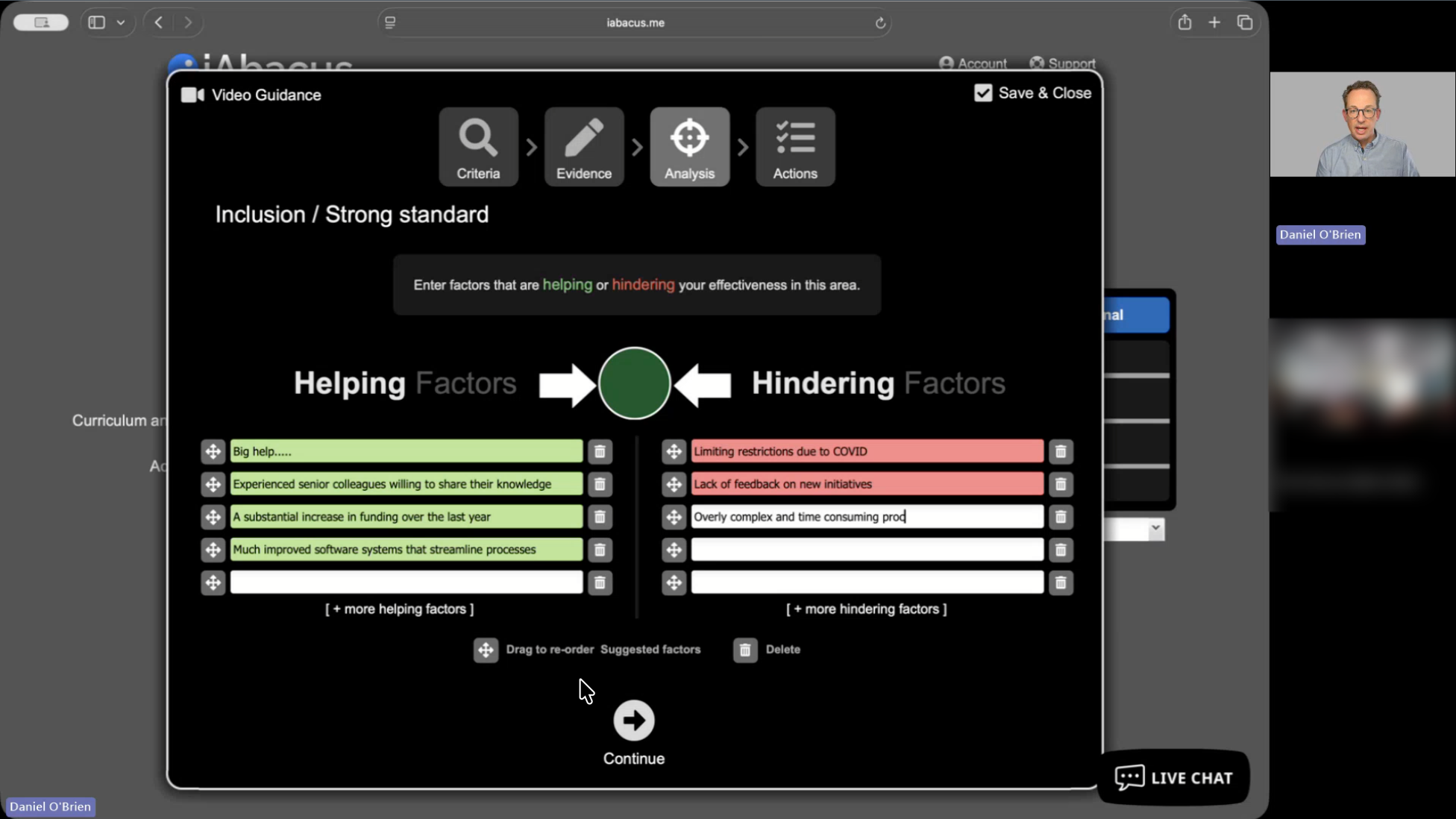
This is the bit subject leaders usually enjoy most, because it turns “we need to improve” into something you can actually work with.
We capture:
- helping factors (what’s pushing the bead in the right direction)
- hindering factors (barriers that stop progress)
…and we prioritise them so the improvement plan is driven by the real causes, not the loudest issues.
5) Action planning that follows the thinking
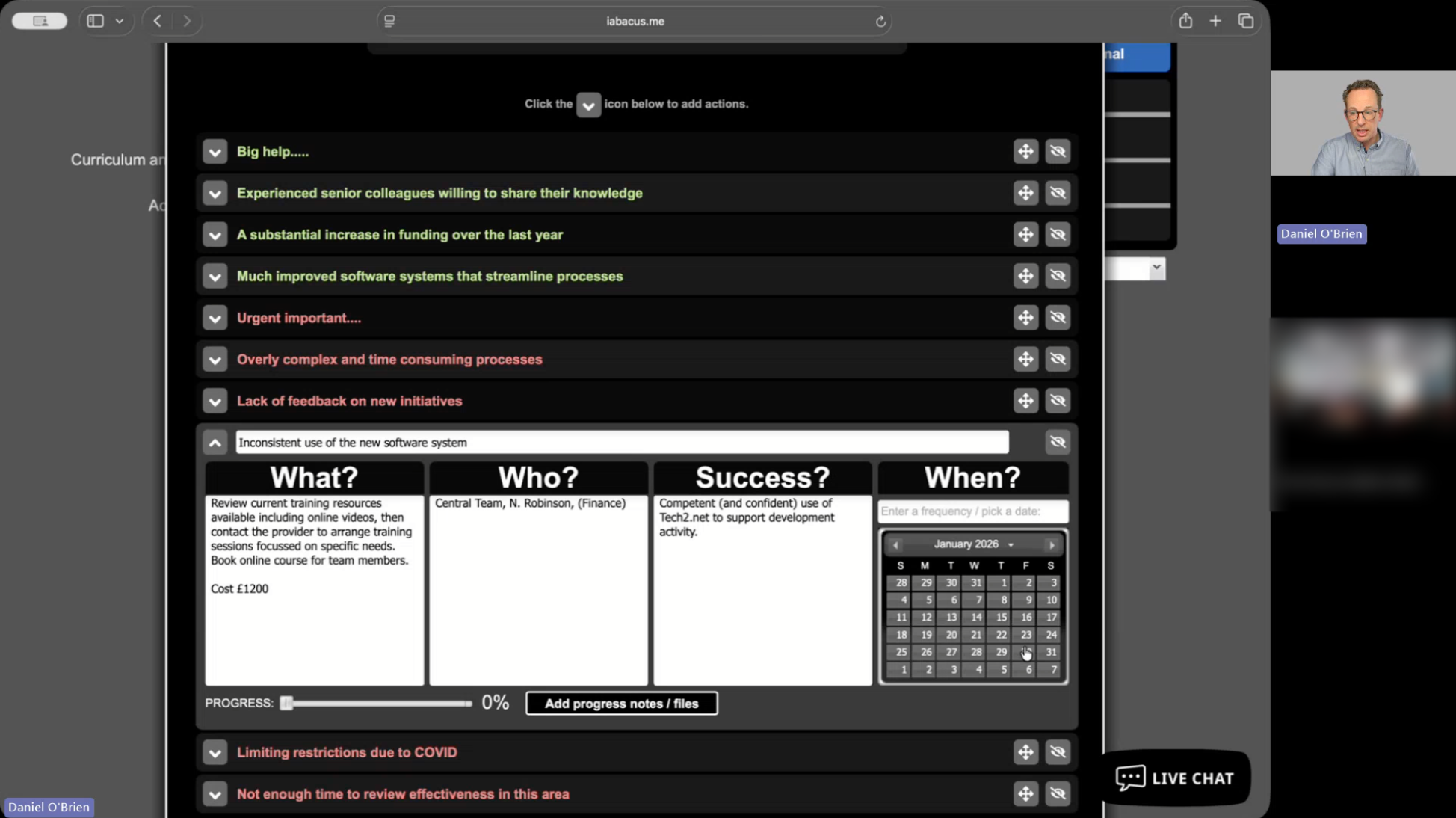
Actions are pulled directly from the hindering factors, then given proper shape: who leads, success criteria, deadlines/frequency, and progress notes over time.
6) Make progress visible (not buried in version control)
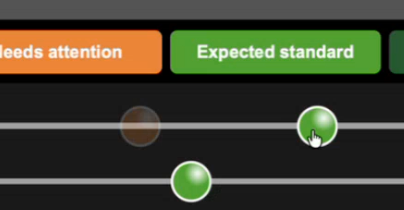
One small feature with a big cultural impact: you can add a new bead when you revisit the review, so the journey is visible and you can see movement over time — with the evidence and diagnostic that explains why it moved.
What we didn’t cover (because it was a subject leader session)
Because this training was delivered directly to subject leaders, we didn’t go into Stacks or Overlays in depth.
That’s the leadership layer: it lets HTs and SLT instantly combine insights from multiple subject leaders into one simple, easy-to-view central abacus — essentially an insight dashboard that surfaces patterns across subjects without anyone rewriting documents.
If you’re a senior leader reading this and thinking, “Great — but how do I see the whole picture?”, stacks/overlays is the bit you’ll want next.
Related reading (useful companions to the video)
If you want the “why” behind the approach (and how the Ofsted Toolkit becomes usable at subject level), these are good follow-ons:
- https://blog.iabacus.com/giving-subject-leaders-the-toolkit-they-deserve/
- https://blog.iabacus.com/beyond-the-sef-how-to-empower-subject-leaders-with-the-new-ofsted-toolkit/
- https://blog.iabacus.com/navigating-the-new-ofsted-toolkit-without-the-overwhelm/
- https://blog.iabacus.com/got-the-new-ofsted-beans-is-your-machine-ready/
Want a walkthrough for your context?
If you’d like a short, calm walkthrough for subject leaders or a leadership session focused on stacking/overlaying insights into a single dashboard view, we’re happy to help. The choice is entirely yours.
Book a meeting here: meet.iabacus.com


